
Canadian Regulatory Updates, Arkansas Habitat Conservation, and Massachusetts Sunday Hunting
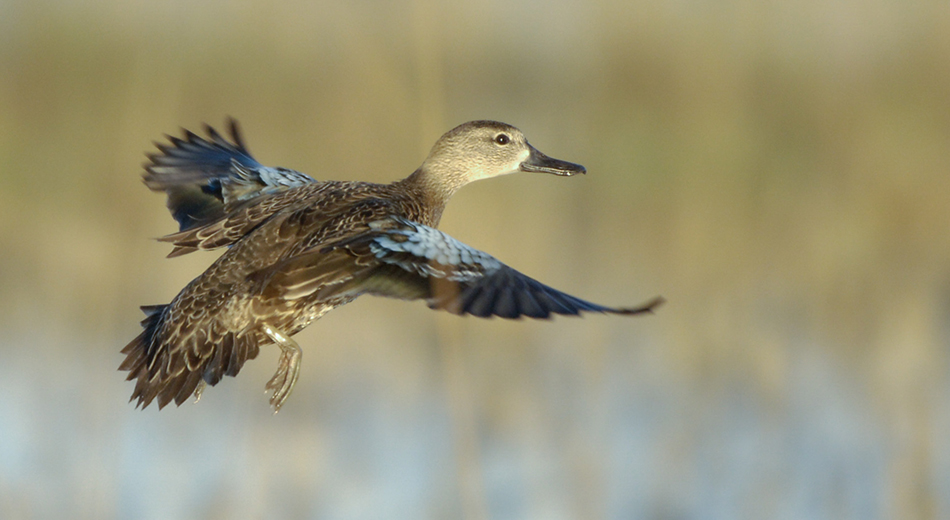
Delta’s policy team has been on the road meeting with members and volunteers and advocating for duck hunters across North America
United States
Formal Hunt Fish Rule Comments Submitted: On June 26, Delta Waterfowl submitted a formal comment letter to the U.S. Fish and Wildlife Service in support of the Hunt Fish Rule. In the letter, Cyrus Baird, vice president of government affairs for Delta Waterfowl, thanks Interior Secretary Doug Burgum, USFWS Director Brian Nesvik and the countless refuge and service personnel for advancing “one of the most ambitious hunting and fishing access packages in the history of the National Wildlife Refuge System.” Additionally, during the public comment period, Delta members sent in over 300 comments in support of the Hunt Fish Rule.
California
Grasslands Region Wetlands Support
Delta's policy team has been advocating for Senate Bill 1108, legislation that would establish the Grassland Ecological Area Conservancy as a new state agency within the California Natural Resources Agency. The new agency would be tasked with the protection, conservation, and restoration of the Grassland Ecological Area and the surrounding Grassland Focus Area in Merced County.
The Grasslands region features some of the most critical and threatened wetland habitats in California. The bill would support putting water on wetlands, which in turn would support migratory waterfowl throughout California and the Pacific Flyway.
We are pleased to report that this bill made it out of Senate Appropriations and passed its final floor vote 37-1. The bill was transferred to the Assembly and most recently passed out of the Assembly Natural Resources Committee on a unanimous vote. The bill has been referred to the Committee on Water, Parks, and Wildlife, and is currently awaiting a hearing date.
Funds Generated on Refuges
Assembly Bill 1987 could lead to more funding for state wildlife areas by ensuring that money generated from certain wildlife areas is properly used to support them. The bill would create the Waterfowl Management Areas Operations and Maintenance Account within the Fish and Game Preservation Fund. All revenues generated from the sale of waterfowl hunting reservation applications and entry passes for Type A and Type B Wildlife Areas will be deposited into this account. These funds are continuously appropriated for the operation, maintenance, and reasonable administrative costs directly related to public hunting programs in these areas.
Delta’s Policy Team is happy to report that this bill passed its final floor vote in the Assembly unanimously and was transferred to the Senate. It passed unanimously out of the Senate Committee on Natural Resources and Water and was referred to Appropriations.
Unfortunately, this bill was held on suspense in Appropriations. This takes place when a bill has a significant fiscal impact that needs to be debated. Delta’s team does not believe the fiscal impact of this bill is significant to the overall state budget, and is working diligently to get AB1987 off of suspense so it can continue through the legislative process.
Arkansas
Private Lands Conservation Funding Secured
In June, Jeff Wardlaw, Delta’s senior manager of government affairs for the Mississippi and Central Flyways, attended the Arkansas regional meeting, where he presented to a group of volunteers on policy updates across the state.
One key highlight included news on the Conservation Incentive Program, where $3.4 million of a $5 million allotment was secured to improve habitat for waterfowl. He also shared updates on Delta Chapter’s Waterfowl Heritage Fund projects taking place in support of Delta’s Restoring Our Refuge initiative, and informed Delta chapter volunteers that through a state committee that is being formed, they will be able to partner with Arkansas Game and Fish Commission on Wildlife Management Area projects across Arkansas. Volunteers were highly engaged and excited about the opportunity. Brett Leach, waterfowl program coordinator at the Arkansas Game and Fish Commission, was also present and was very pleased to hear about the projects moving forward with ROR.
Oklahoma and Kansas
Regional Meeting
Jeff Wardlaw attended the Oklahoma/Kansas regional meeting and delivered a similar presentation as in Arkansas. In addition, he provided an update on guiding and outfitting legislation as well as an update on construction at Hackberry Flats WMA. It was a well-attended event, and it was great to connect with volunteers from both states.
Tennessee and Kentucky
Regional Meeting
Jeff Wardlaw also attended the Tennessee/Kentucky regional meeting alongside our CEO, Jason Tharpe. Tharpe and Wardlaw covered the ROR initiative and the importance of working with state agencies to improve state refuges through Waterfowl Heritage Funds. Both states were excited about what they can accomplish. The Kentucky group brought the refuge manager from Ballard County and Kentucky Fish and Wildlife Commission member Jay Smith joined as well. The event was very well attended with approximately 50 attendees.
Massachusetts
Sunday Hunting
Earlier this year, Massachusetts governor Maura Healey introduced her budget plan for the commonwealth, which included a repeal of the Sunday hunting prohibition. During the committee process, that provision was removed by the House Ways and Means Committee. Shortly thereafter, an amendment was passed to reintroduce the repeal and was approved by the House of Representatives.
Currently, the amendment awaits its fate in the conference committee. Delta Waterfowl, alongside 15 of our conservation partners, signed onto a letter encouraging the inclusion of the Sunday hunting provision in the final draft of the legislation to be sent to the Governor’s desk.
Canada
Canadian Wildlife Service Approves New Regulation Changes Expanding Access and Opportunity
In late June, the Canadian Wildlife Service released the approved biennial amendments to the Migratory Bird Regulations for the 2026-2028 seasons. These amendments will increase hunting opportunities for Canada geese and sandhill cranes, and the changes affect four Canadian provinces. You can read more about the approved amendments here.