
The Duck Metric
Putting more ducks into every fall flight
Dating from our foundation in 1911, Delta Waterfowl is recognized as the organization that shaped waterfowl management in North America. Looking ahead, Delta's objective is to set the new standard that measures the success of any conservation effort—the number of ducks produced. This is the duck metric.
For more than 30 years, Delta has researched and refined two primary tools to achieve the duck metric. They are Predator Management and Hen Houses.
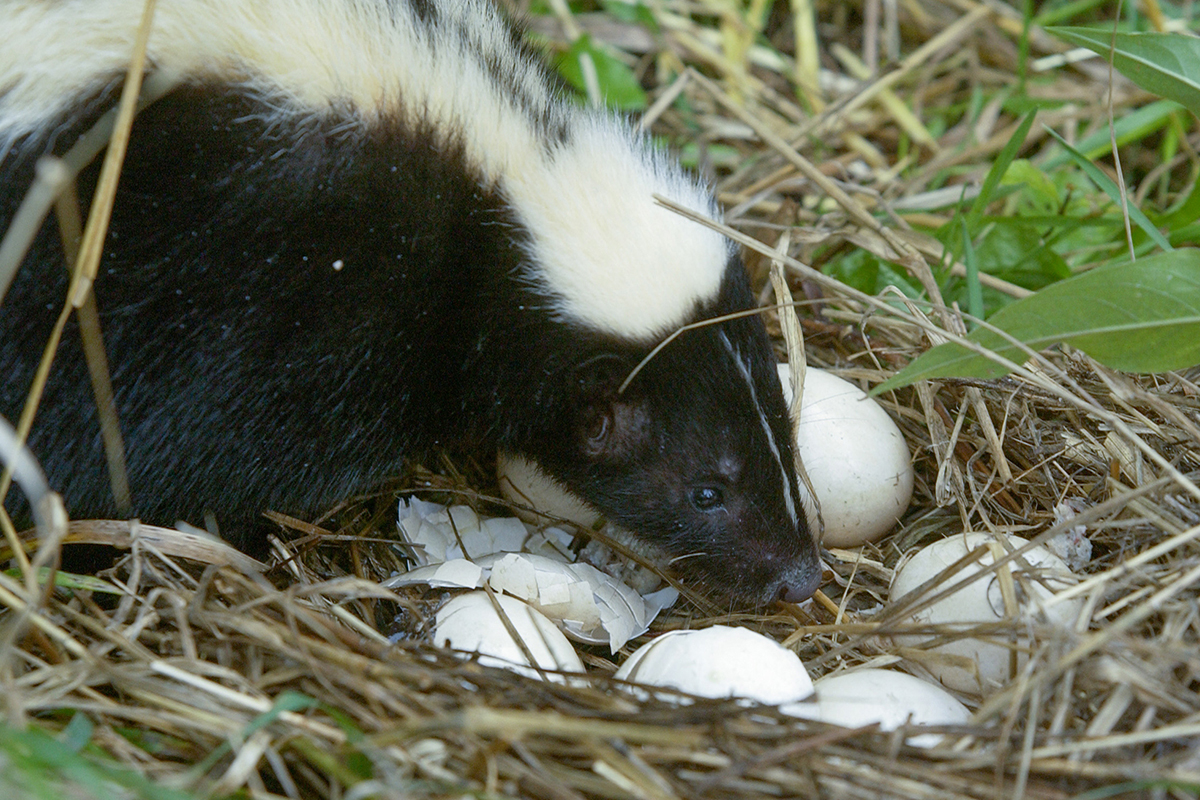
Predator Management
Delta uses targeted Predator Management to restore natural balance to prairie pothole region breeding habitat. The history of land use on the prairies has allowed major nest predators such as skunks and raccoons to proliferate. Delta's programs restore the balance in areas of highest duck nest density to produce more ducks.
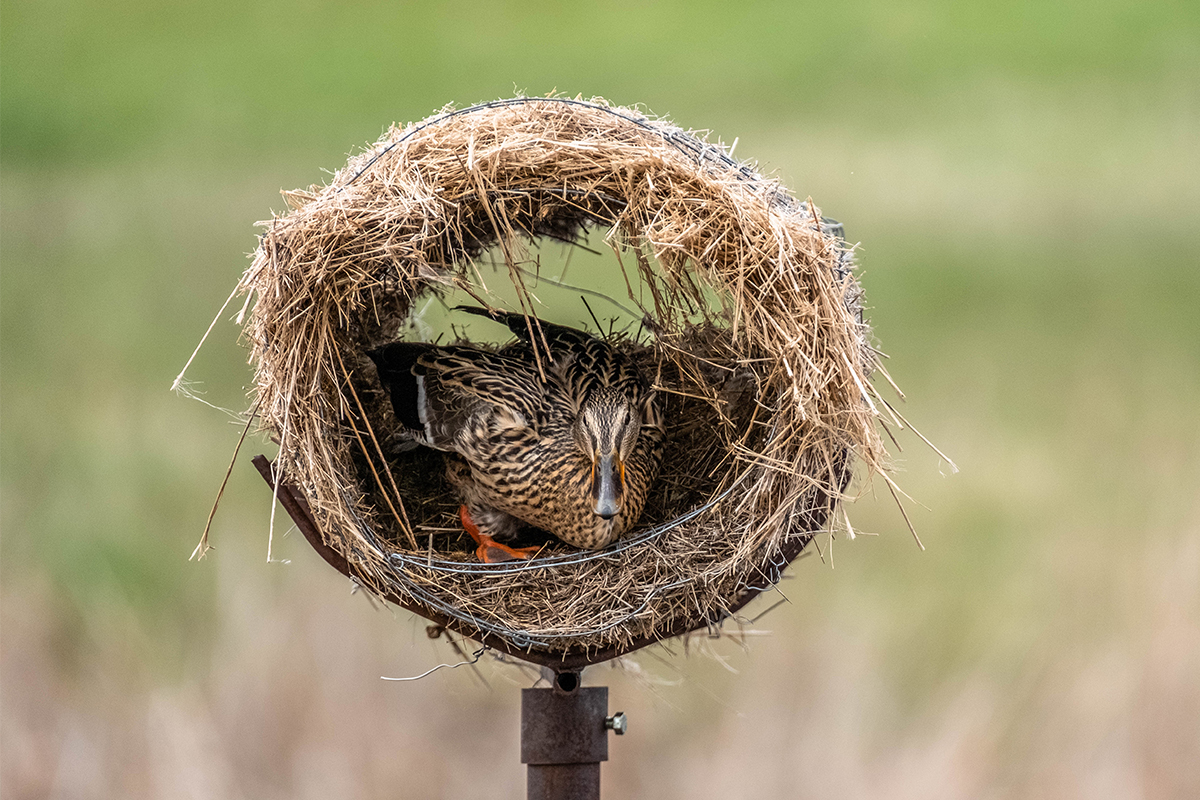
Hen Houses
With more than 30 years of research and refinement, Delta has proven its Hen House nesting structures are the most effective and cost-efficient tool to increase mallard nest success in the prairie pothole region. A hen using a Hen House has up to 12 times better odds of a successful hatch over a hen nesting nearby in upland grass.
Stay Up To Date With Delta Waterfowl
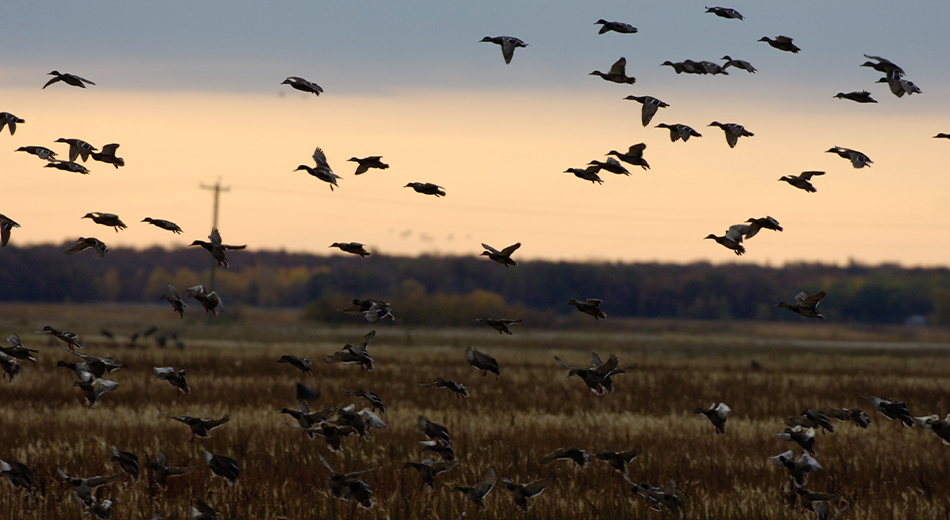
Monumental Executive Order Signed, Colorado Constitutional Right to Hunt and Fish Vote, and Provincial Meetings
10/21/2026
Delta’s Policy Team continues to advocate on behalf of ducks and duck hunters across the United States and Canada
Read more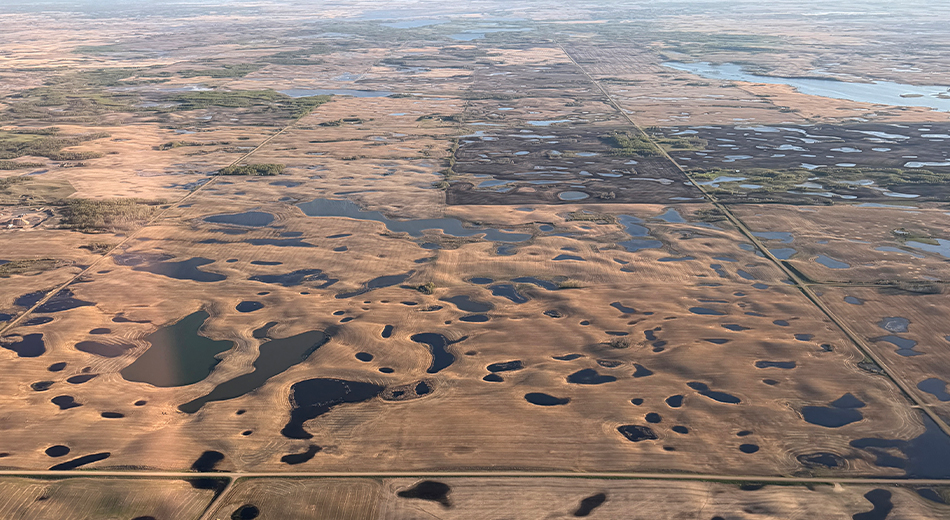
Duck Factory Balancing Act
10/8/2026
As waterfowl habitat declines, Delta’s innovative programs are maximizing the breeding grounds to produce more ducks for hunters
Read more
Delta Waterfowl Members Leave Lasting Impact Through Planned Giving
10/6/2026
Legacy donors ensure a strong future of waterfowl conservation and duck hunting
Read more