
Delta Hen Houses are integral to increasing duck production
An unbalanced proliferation of predators that eat duck eggs and nesting hens significantly impact nest success in key prairie pothole breeding grounds. The most effective, cost-efficient tool for boosting mallard nest success is the Delta Hen House.
DELTA HEN HOUSES ARE A HIT WITH HEN MALLARDS
In areas where ground-nesting mallards typically experience nest success of less than 10%, Delta Hen Houses consistently boost nest success to 60% and sometimes as high as 80% or even more. (It takes at least 15% nest success to simply maintain duck populations at the level they go into the breeding season.)
Today's efficiently designed "Hen House Supersites" are a direct result of Delta's relentless research. These clusters of 100 or more Hen Houses are installed in a relative small geographic area with high mallard nesting densities. Supersites send thousands of mallards into every fall flight while reducing the costs of labor and overhead to produce ducks.
SUPPORT NESTING MALLARD HENS BY DONATING TODAY
Delta installs and maintains Hen Houses throughout the core of the prairie pothole region, including Manitoba, Saskatchewan, Alberta, North Dakota, South Dakota, and Minnesota. These Hen Houses produce tens of thousands of mallards each year that band recovery data proves end up over decoys in all four flyways.
Stay Up To Date With Delta Waterfowl
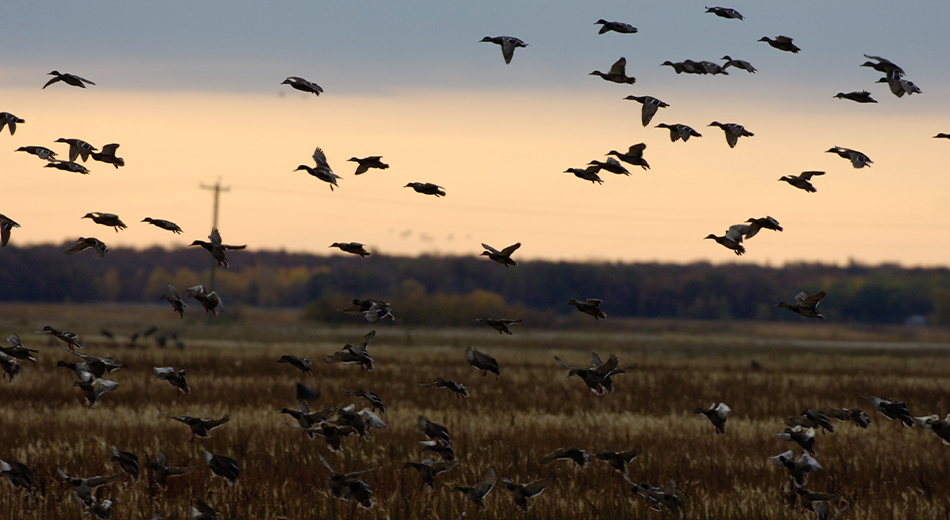
Monumental Executive Order Signed, Colorado Constitutional Right to Hunt and Fish Vote, and Provincial Meetings
10/21/2026
Delta’s Policy Team continues to advocate on behalf of ducks and duck hunters across the United States and Canada
Read more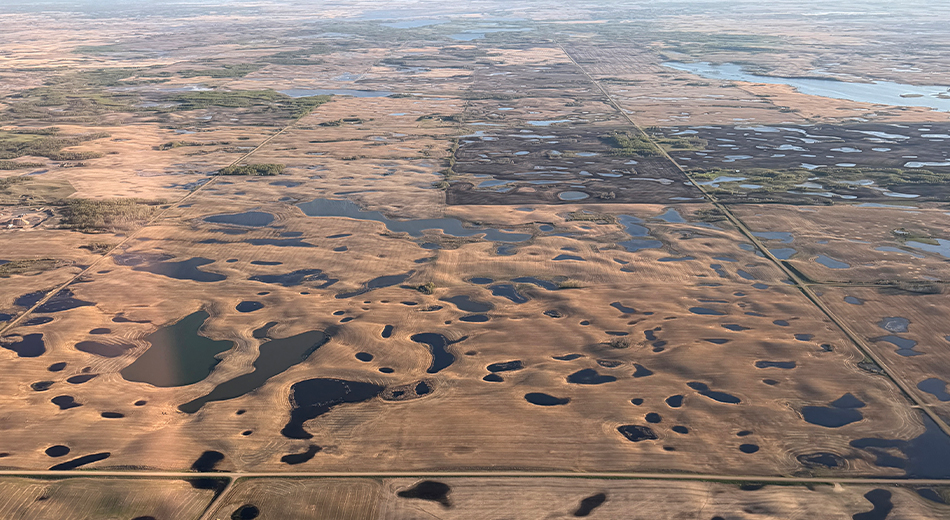
Duck Factory Balancing Act
10/8/2026
As waterfowl habitat declines, Delta’s innovative programs are maximizing the breeding grounds to produce more ducks for hunters
Read more
Delta Waterfowl Members Leave Lasting Impact Through Planned Giving
10/6/2026
Legacy donors ensure a strong future of waterfowl conservation and duck hunting
Read more