
DELTA PREDATOR MANAGEMENT RESTORES BALANCE TO BOOST DUCK PRODUCTION
The distribution and abundance of duck predators in the prairie pothole region and other key breeding areas have shifted over time, putting breeding ducks at risk. For upland nesters, like mallards, blue-winged teal, gadwalls, shovelers, and pintails, predation by raccoons, skunks and other animals that eat duck eggs is often rampant on the prairies. This reality and declining duck nesting habitats are disastrous for nest success—the primary factor determining whether duck populations rise or fall.
Alarmed by plummeting duck numbers and restrictive seasons in the early 1990s, Delta Waterfowl was determined to find a management strategy to restore the region’s tremendous duck-producing potential. More than 30 years of research and refinement have proven that targeted Predator Management is the most effective and efficient approach.
JOIN DELTA TODAY TO PRODUCE MORE DUCKS FOR THE SEASON AHEAD
The type of predator control that Delta advocates is unique in that it focuses on carefully defined, highly targeted areas with the greatest potential for duck production. Delta’s goal is not to wipe out every predator on every acre of the PPR. That would not be possible, scalable, or desirable. It most certainly would not reflect natural balance.
Delta Predator Management is laser focused on areas of the highest duck nest densities because it’s in these locations where predator management has the greatest positive impact on duck populations. Focusing on these areas also makes Predator Management most cost-effective. It benefits the most ducks for the lowest outlay of dollars, thereby best serving Delta donors and supporters, as well as the ducks.
Predation is the No. 1 reason duck nests fail
• Duck nests in untrapped upland habitats in highly altered agricultural landscapes often have hatch rates of only 5-10%, far below the 15-20% needed just to maintain duck populations.
• In particularly poor breeding areas, nest and hen predation can be so high that fewer hens leave in the fall than arrive in the spring.
• Delta Waterfowl’s Predator Management program dramatically reduces predator numbers by trapping in areas of the highest breeding duck densities to put tens of thousands more ducks into the fall flight.
• Delta is growing its Predator Management program to include additional sites in North Dakota, South Dakota and the Prairie Provinces of Canada.
Stay Up To Date With Delta Waterfowl
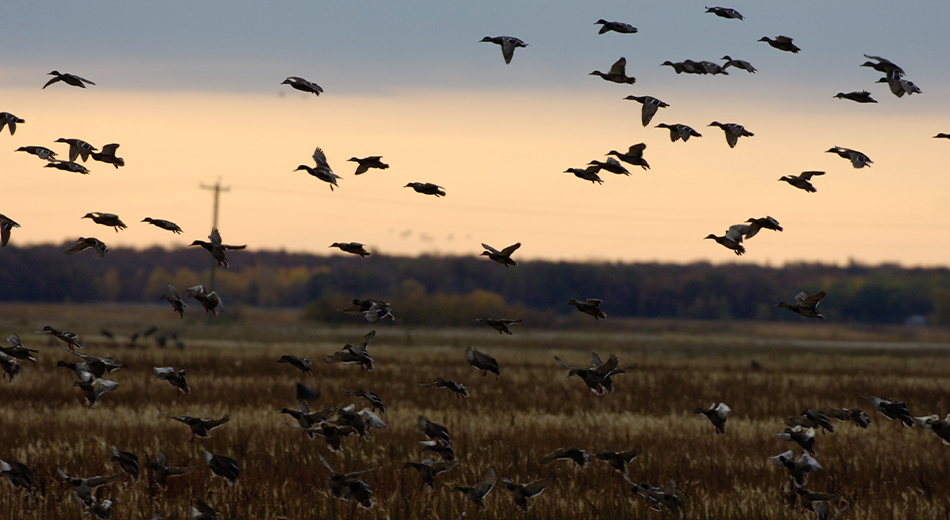
Monumental Executive Order Signed, Colorado Constitutional Right to Hunt and Fish Vote, and Provincial Meetings
10/21/2026
Delta’s Policy Team continues to advocate on behalf of ducks and duck hunters across the United States and Canada
Read more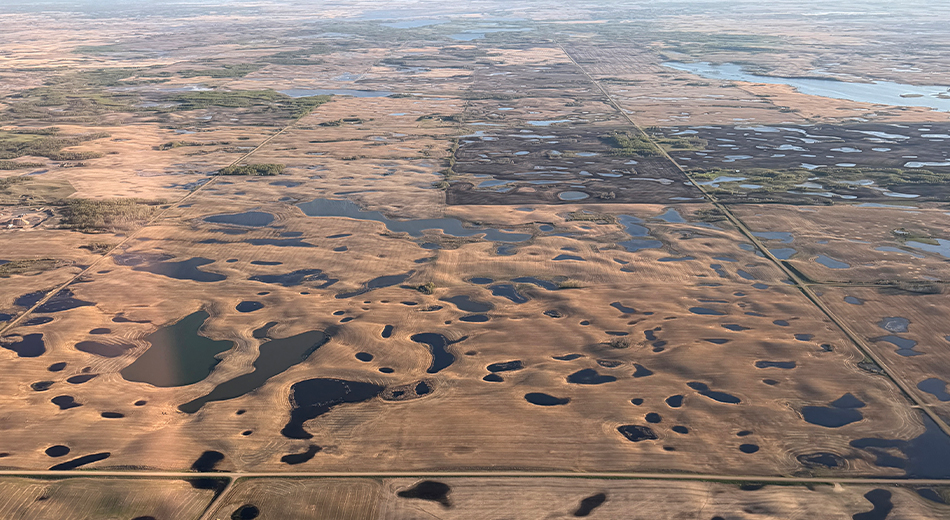
Duck Factory Balancing Act
10/8/2026
As waterfowl habitat declines, Delta’s innovative programs are maximizing the breeding grounds to produce more ducks for hunters
Read more
Delta Waterfowl Members Leave Lasting Impact Through Planned Giving
10/6/2026
Legacy donors ensure a strong future of waterfowl conservation and duck hunting
Read more